What the source provides
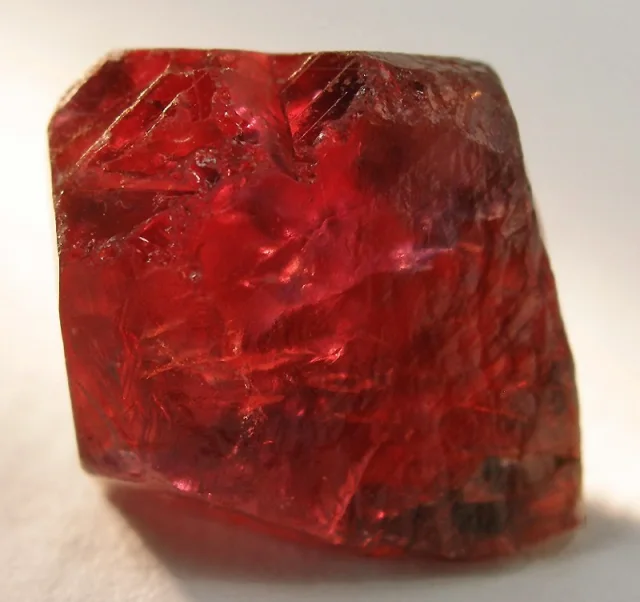
Information provided by the Gemological Institute of America (GIA) establishes a fundamental distinction in mineralogy applied to jewelry: the difference between hardness and toughness. Hardness refers to a gem's ability to resist scratching, while toughness measures its resistance to breaking or fracturing. It is crucial to understand that the Mohs scale, used to measure hardness, is relative and non-linear; the steps between numbers are not equidistant in terms of actual resistance. For example, corundum, to which ruby and sapphire belong, possesses high hardness, making it resistant to everyday scratches. However, this property does not guarantee that the gem will not chip or break if it suffers a strong impact. Additionally, GIA notes that treatments or fillings in the gem can modify its properties and, therefore, the appropriate care. There is no universal cleaning procedure that is safe for all pieces, as the setting and the condition of the gem vary significantly.
How to read this in your context
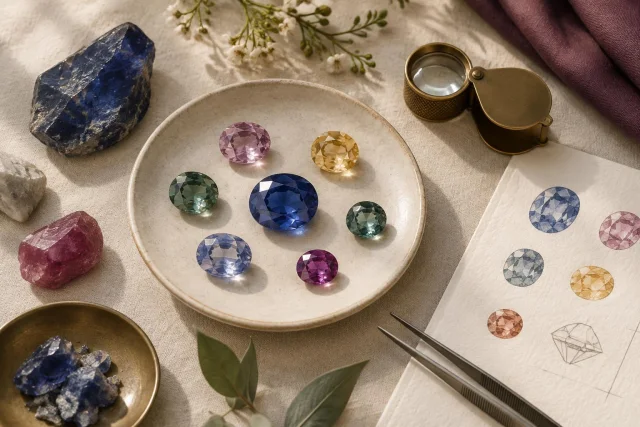
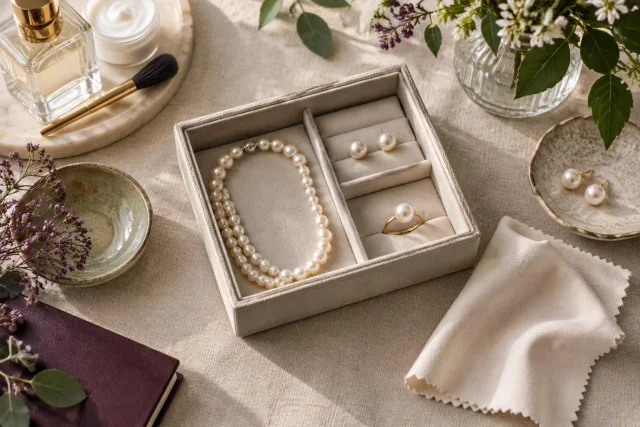
When considering the care of your jewelry, you must separate the idea of "hardness" from "impact resistance." A hard gem can scratch other surfaces, but that does not mean it is immune to fracture. If you have a sapphire or ruby piece, its high hardness is an advantage for daily use, but its toughness must be respected when handling it. Before cleaning any jewelry, it is essential to identify the gem, know if it has received treatments, and evaluate the type of setting. Referring to the original documentation of the piece or consulting a professional when information is not available is the most prudent step. Avoid authenticating or valuing jewelry based solely on images, as this does not allow verifying treatments or the structural integrity of the gem.
Questions to choose with discernment
To adapt care to your piece, consider these questions: Do I know the type of gem and its possible treatments? Is the setting safe for cleaning with water or chemical products? Do I have documentation that supports the original condition of the jewelry? These questions help avoid irreversible damage and maintain the beauty of the piece in the long term.
Limits of this guide
This guide is based on general information provided by GIA and does not replace the professional evaluation of a specific piece of jewelry. Health diagnoses of the gem should not be made, nor should impact resistance be promised based solely on its hardness. Cleaning must be adapted to each piece, and in case of doubt, it is always recommended to consult with a jeweler or certified gemologist.