



What the source provides
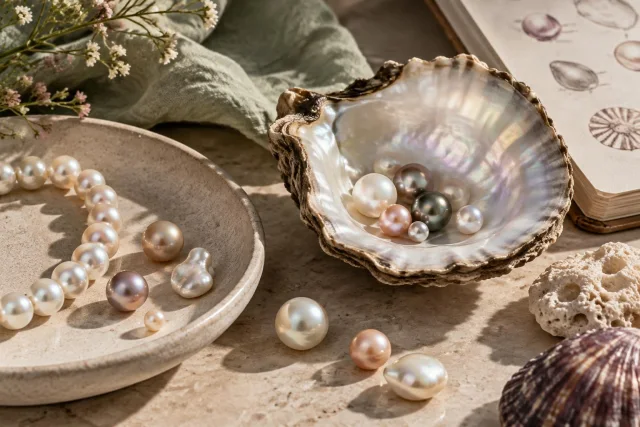
The Gemological Institute of America (GIA) establishes clear guidelines for pearl care, highlighting the need to protect them from external agents that may compromise their integrity. According to this documentation, it is fundamental to avoid contact with aggressive chemicals and objects that may scratch the gem's surface. Additionally, the GIA advises against exposing pearls to extremely dry or hot environments, as these conditions can affect their natural structure. The source also underscores the importance of checking the thread of the necklace or bracelet when it shows signs of wear, although it does not set a universal frequency for re-stringing, as this depends on the condition of the piece and its habitual use.
How to read it in your context
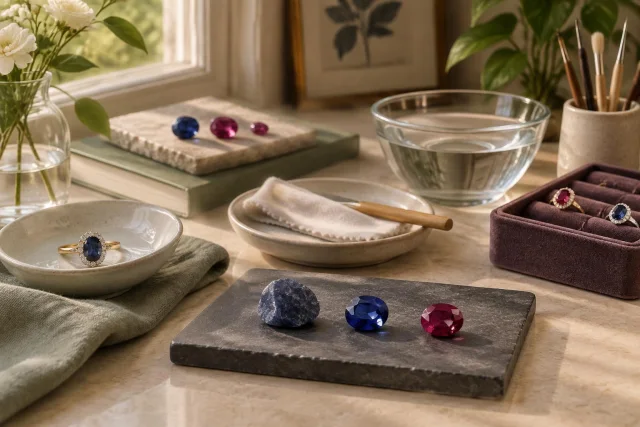
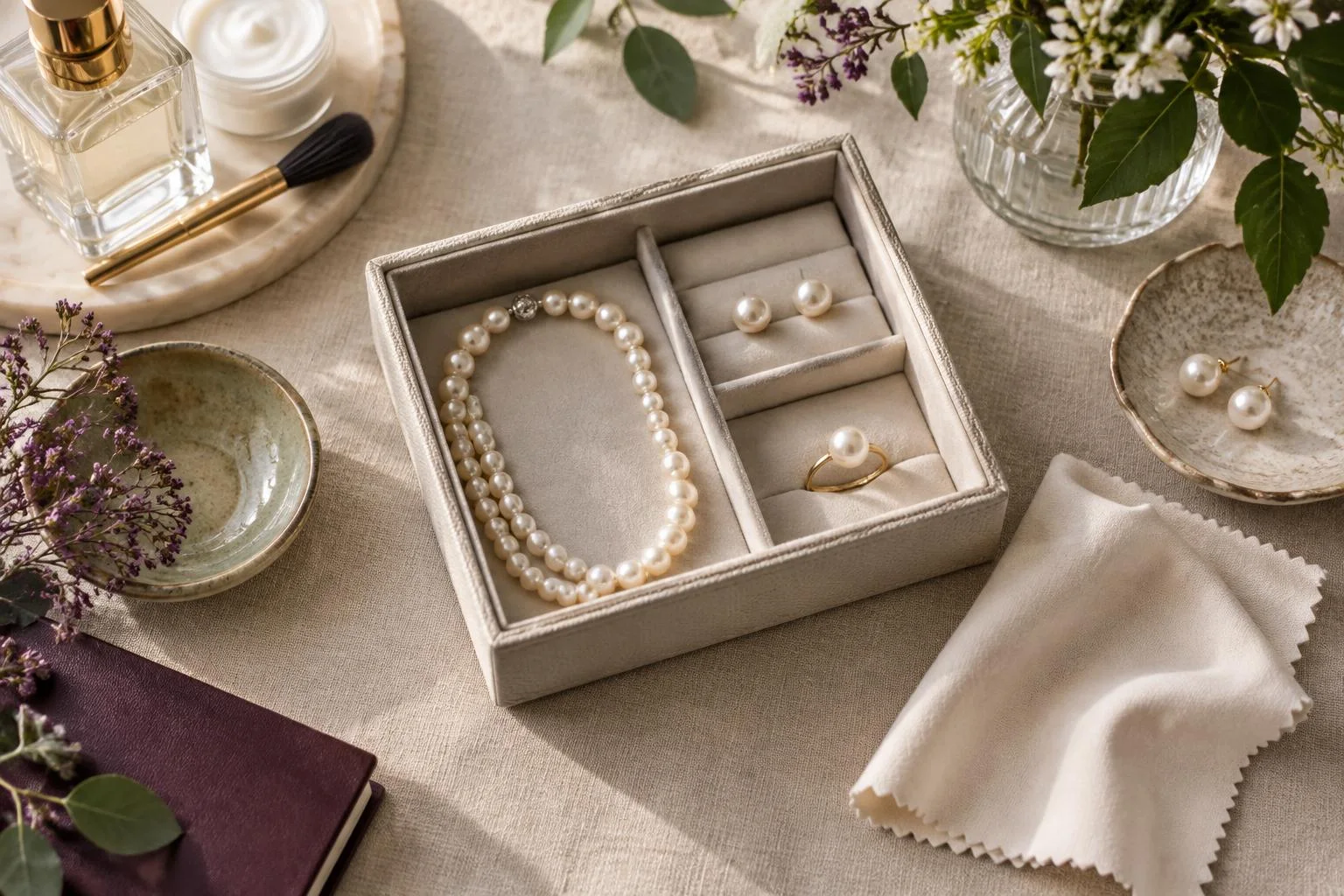
To apply these recommendations, it is useful to establish a separate storage system that minimizes friction. Find a way to separate the pieces without friction and consult the storage instructions corresponding to your jewelry; this guide does not prescribe a specific fabric for its case. When removing the piece, it is advisable to clean it with a soft cloth to remove residues of perfumes, creams, or sweat before storing it, following the indication to avoid aggressive chemicals. Regarding the environment, review the documented warnings about heat and dryness and ask the jeweler how they apply to that piece. Do not infer storage conditions from a general recommendation.
Questions to choose with criteria
When planning the maintenance of your pearls, you can guide yourself by these questions to adapt the general instructions to your specific situation:
- How often do I use this piece and under what conditions (for example, frequent contact with cosmetics)?
- Does the current thread show knots, discoloration, or loss of elasticity?
- Do I have a storage space that maintains stable temperature and humidity?
These questions allow you to evaluate the actual state of the jewelry without relying on fixed calendars. Remember that GIA instructions must be adapted to the specific piece and the specific recommendations of your manufacturer or jeweler, who know the exact materials used in your jewelry.
Limits of this guide
This text is a documentary guide based on the general guidelines of the GIA and does not constitute a repair service or a professional evaluation of your jewelry. No diagnostics are provided regarding the current state of your pearls, nor are specific cleaning products recommended. For any intervention, such as re-stringing or clasp repair, always consult a qualified jeweler who can physically inspect the piece.