Materials · Catalogue
Documented profiles of materials. Check features, provenance and sources to make informed comparisons.
 Gunnar Ries Amphibol · Wikimedia Commons · CC BY-SA 2.5
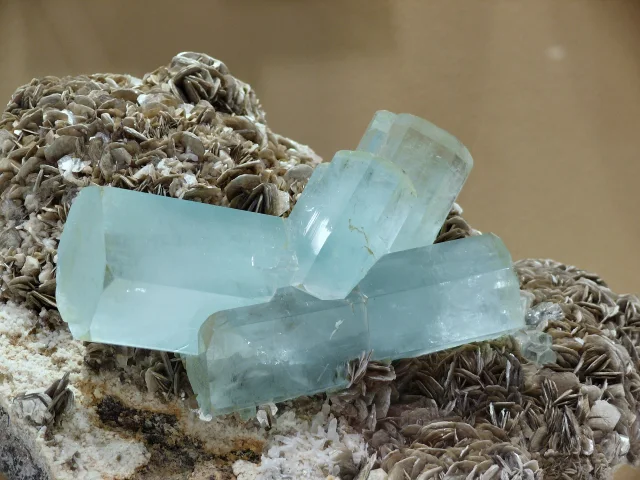
Aquamarine
The aquamarine is a variety of beryl with a blue to greenish-blue color. GIA relates it mineralogically to the emerald and documents crystals that can reach a large size. For a style consultation, it is interesting to distinguish the name of the material from the specific tone of each specimen. The profile does not guarantee transparency, origin, or the absence of treatments in pieces offered by third parties.
View sheet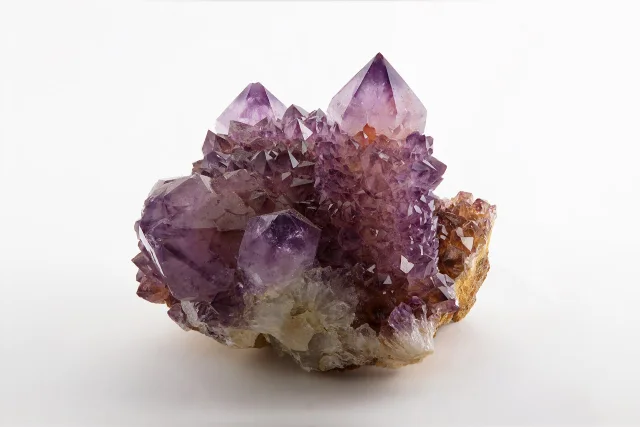 JJ Harrison (https://jjharrison.com.au/) · Wikimedia Commons · CC BY-SA 3.0
Amethyst
The amethyst is the purple variety of quartz and presents hardness 7 on the Mohs scale according to GIA. Its color allows exploring jewelry combinations without assigning it personal powers or therapeutic effects. This entry separates the mineral name from the aesthetic choice: a photograph can inspire a palette, but it is not enough to confirm the identity, treatments, or quality of a stone.
View sheet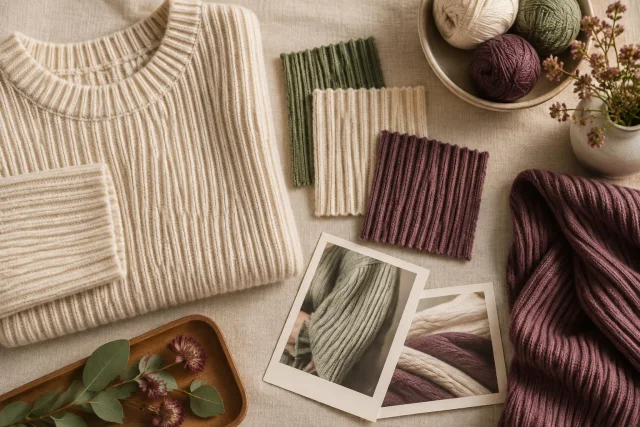 AI-generated conceptual illustration
Rib
Rib is part of the knit structures explained by CottonWork and can be recognized by its alternating columns. In a garment sheet, it is advisable to note it as a construction and keep the composition separate. For a style consultation, observe its relief alongside other surfaces of the ensemble; this visual reading does not constitute a measurement of recovery, elasticity, or comfort of a specific item.
View sheet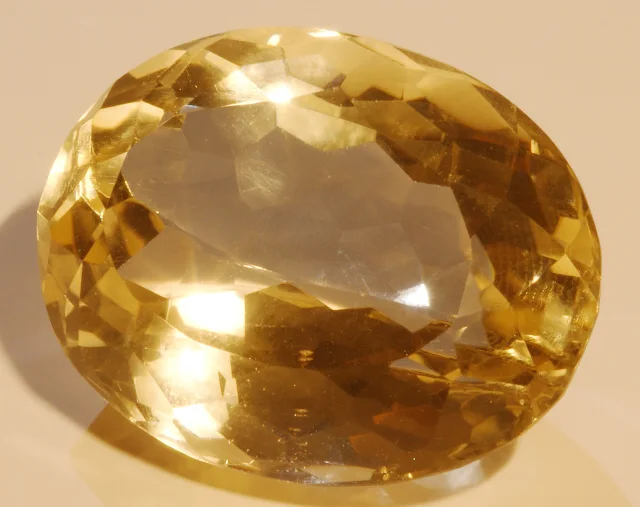 Didier Descouens · Wikimedia Commons · CC BY-SA 4.0
Citrine
The citrine is a transparent variety of quartz that GIA describes between pale yellow and brownish orange. It shares the mineral family with amethyst, although its appearance is different. This entry allows recognizing the vocabulary before choosing a color combination. A stone is not identified solely by its tone, and its treatment or value is not deduced from a commercial image.
View sheet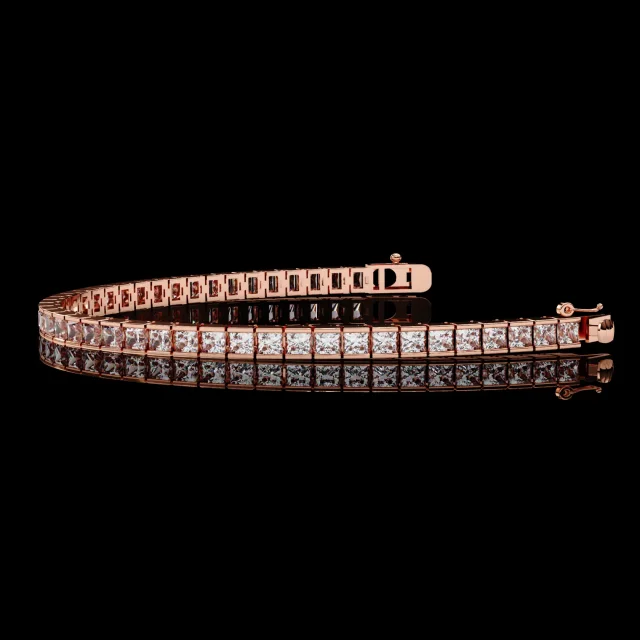 Rajgen1299 · Wikimedia Commons · CC BY 4.0
Diamond
The diamond is composed of carbon and occupies grade 10 on the Mohs scale, according to GIA. Its profile organizes observation through color, clarity, cut, and weight. To read a piece of jewelry, it is useful to separate those data points from the taste for a specific shape. This entry offers documentary vocabulary, without appraising pieces, certifying authenticity, or deducing provenance from a photograph.
View sheet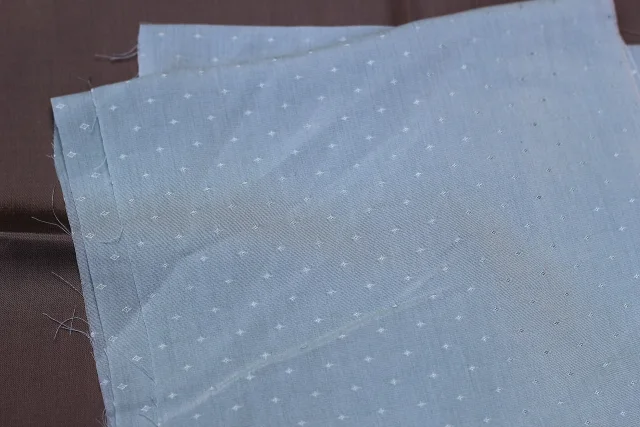 Enby · Wikimedia Commons · CC BY-SA 4.0
Dobby
CottonWork describes dobby as a way of weaving patterns incorporated into the structure, including geometric motifs. The term provides information distinct from a print or a trade name. In the catalog, it is retained as a technique to facilitate the reading of a garment. The entry does not fix a composition, a weight, or an exclusive use, and it does not evaluate specific products.
View sheet AI-generated conceptual illustration
Emerald
The emerald is a green to blue-green variety of beryl. GIA reminds that the limit between emerald and green beryl can give rise to classification differences. This precision helps to read commercial descriptions without treating any green stone as equivalent. The profile allows exploring a jewelry material; the identification, treatments, and origin of a particular piece require their own documentation.
View sheet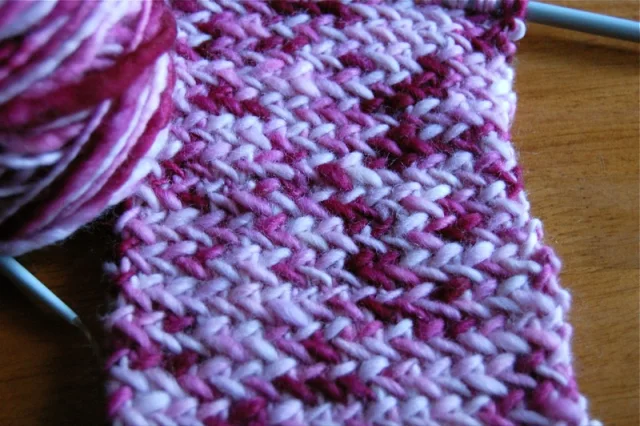 kpwerker · Wikimedia Commons · CC BY-SA 2.0
Herringbone
The V-shaped pattern of herringbone comes from a variation of twill, according to the CottonWork guide. It is a construction criterion that can be noted separately from color and fiber. To explore combinations, observe how the pattern appears alongside smooth surfaces; this visual proposal is editorial and does not imply having tested a garment or knowing its composition.
View sheet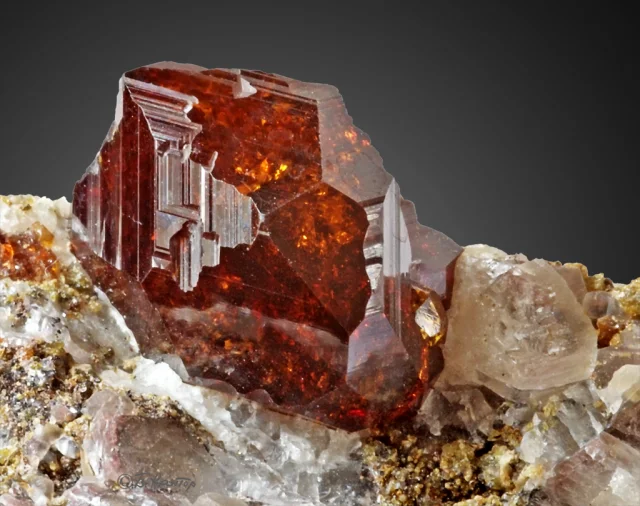 Moha112100 · Wikimedia Commons · CC BY-SA 3.0
Garnet
Garnet refers to a group of related minerals, not a single red gemstone. GIA documents colors that include greens, oranges, pinks, and purplish reds. The range within the group makes it useful to note the variety when that information is available. This offers a starting point for reading jewelry descriptions; identical properties or a shared valuation are not attributed to all garnets.
View sheet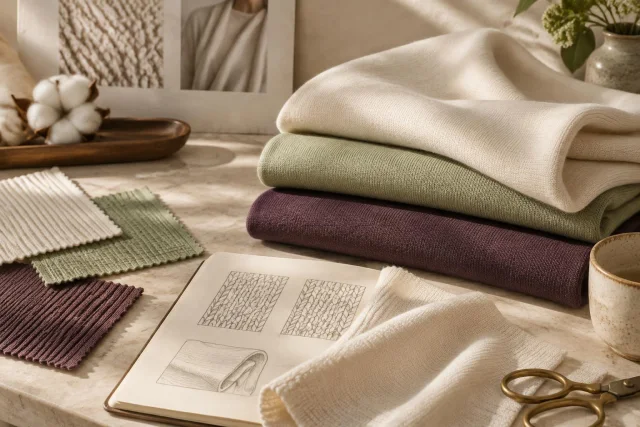 AI-generated conceptual illustration
Interlock
Interlock is a double-knit structure documented by CottonWork. Knowing that category helps to interpret textile names that sometimes appear without explanation in a commercial sheet. General information is not enough to attribute a weight or a composition to the garment you are looking at. Retain its particular data and compare equivalent samples before drawing conclusions about drape, touch, or behavior.
View sheet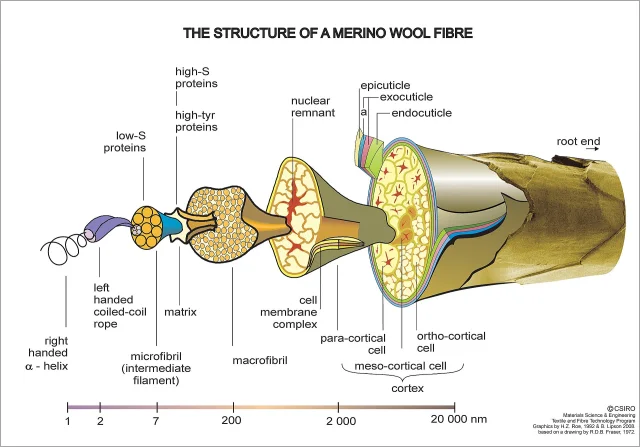 CSIRO
CSIROMerino wool
Woolmark presents merino wool as a fiber of ovine origin, obtained from merino sheep. On a label, this information identifies the material and should be read alongside the rest of the composition. The catalog distinguishes this fiber from techniques such as ribbing or twill: one tells you what the garment is made of, while the others describe how its surface is constructed.
View sheet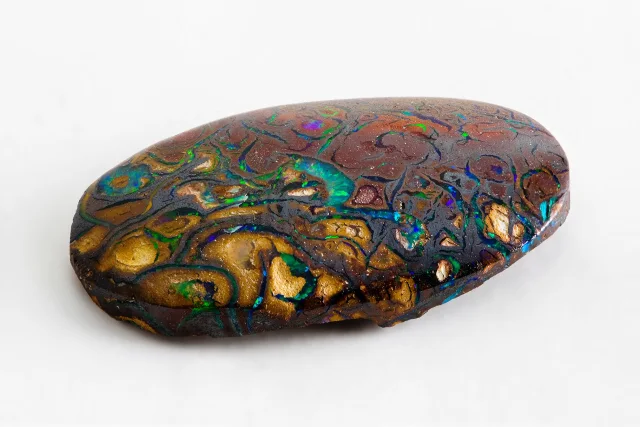 Noodle snacks
Opal
Opal is hydrated silica and can show play-of-color due to the interaction of light with silica spheres, according to GIA. This phenomenon offers a specific vocabulary to describe the appearance without confusing it with a simple uniform tone. This entry introduces the material; the classification, treatments, and characteristics of a specific piece require individual documentation and are not deduced from the name.
View sheet Diliff · Wikimedia Commons · CC BY 2.5
Oxford
Oxford designates here a basket-weave construction that CottonWork includes among its shirt fabrics. Recognizing the name helps to formulate questions about texture and finish, but it does not identify a fiber by itself. To compare two garments, it is interesting to look at their composition, observe the fabric up close, and keep the care instructions from the manufacturer of each model.
View sheet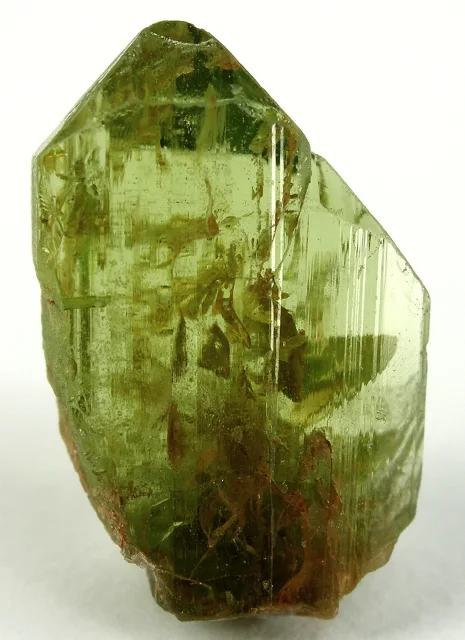 Rob Lavinsky, iRocks.com – CC-BY-SA-3.0
Peridot
Peridot is the gem variety of olivine and GIA describes it with a yellowish-green color. This mineral association provides a more precise data point than using only a color name in a sheet. In the catalog, it can be compared with other green gems, keeping their identities separate. Spiritual properties are not attributed, nor is the authenticity or provenance of jewelry certified based on this general information.
View sheet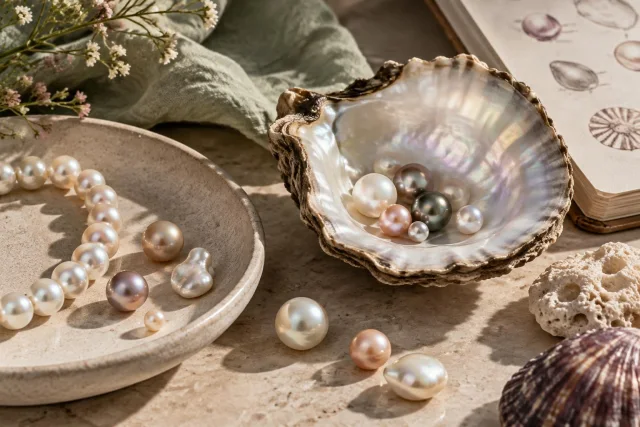 AI-generated conceptual illustration
Pearl
Pearls are organic gems formed by mollusks. GIA distinguishes natural from cultured and documents a diversity of shapes and colors broader than the usual white sphere. This sheet serves to read those differences without establishing a universal aesthetic hierarchy. Identification, origin, and the conditions of each piece must be consulted in their documentation, not inferred from their appearance.
View sheet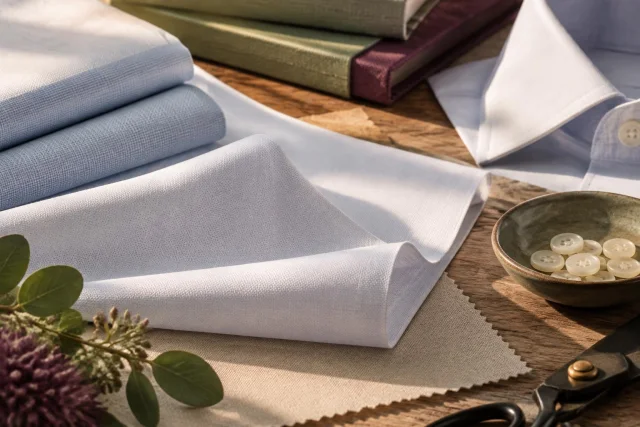 AI-generated conceptual illustration
Pinpoint
Pinpoint appears in the CottonWork guide as a variation of Oxford with finer threads and a tighter weave. This relationship is useful for reading shirt catalogs and distinguishing close terms. The description does not allow for assessing a garment that has not been examined: it retains its own composition and care instructions, and specific references should be compared rather than assuming that the name guarantees a quality.
View sheet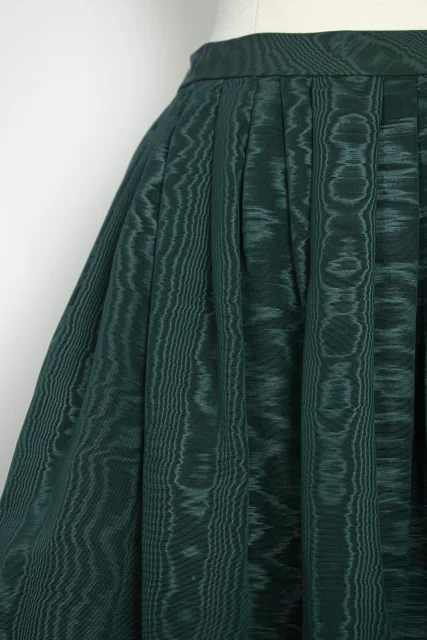 Hunt Museum and Inés Rivilla López · Wikimedia Commons · CC BY-SA 4.0
Poplin
CottonWork presents poplin as a fabric with a compact construction, with greater density in the warp than in the weft. In the wardrobe, that name is a clue to start observing the surface, not a complete composition. It is advisable to also read the garment's label and compare real samples before attributing a specific weight, touch, or behavior to it.
View sheet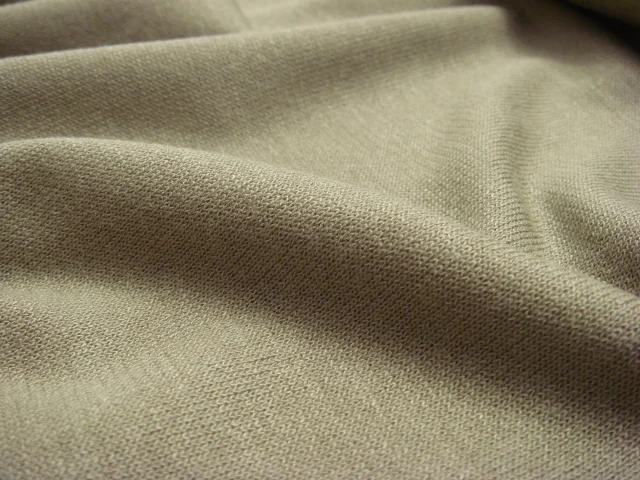 teslar · Wikimedia Commons · CC BY-SA 3.0
Jersey knit
CottonWork distinguishes jersey knit within simple knit constructions. The name is useful for separating a loop structure from woven fabrics when organizing the wardrobe. Afterwards, one must consult the fiber and the instructions of each garment: this entry does not presuppose a unique composition or a fixed degree of elasticity, and it does not describe a usage test.
View sheet