Fragrance, materials and style catalogue
Documented profiles of fragrances, materials, ingredients, brands and outfits. Check features, provenance and sources to make informed comparisons.
 AI-generated conceptual illustration
Glycolic acid
The consulted The Ordinary page identifies a water-based toner with 7% glycolic acid and classifies it as an AHA. The figure and format apply only to that reference product. Retaining both details helps avoid incomplete comparisons. This entry explains the ingredient name without prescribing frequencies, transferring routines between formulas, or claiming that the editorial team has verified its results.
View sheet AI-generated conceptual illustration
Hyaluronic acid
The Ordinary’s official product information documents a hyaluronic acid formula with B5 and ceramides. We use it to show why it matters to retain the full name and version of a product when comparing information. The presence of this ingredient alone does not describe an entire formula. This serum has not been tested here, and commercial results are not being applied to other cosmetics.
View sheet AI-generated conceptual illustration
Lactic acid
The Ordinary’s glossary classifies lactic acid as an alpha hydroxy acid, or AHA, and describes it as having exfoliating and humectant functions. This entry introduces cosmetic vocabulary for reading packaging and distinguishing ingredient names. It does not set out an application routine or a combination of active ingredients: those details belong to the specific product and its instructions, and no formula has been tested here.
View sheet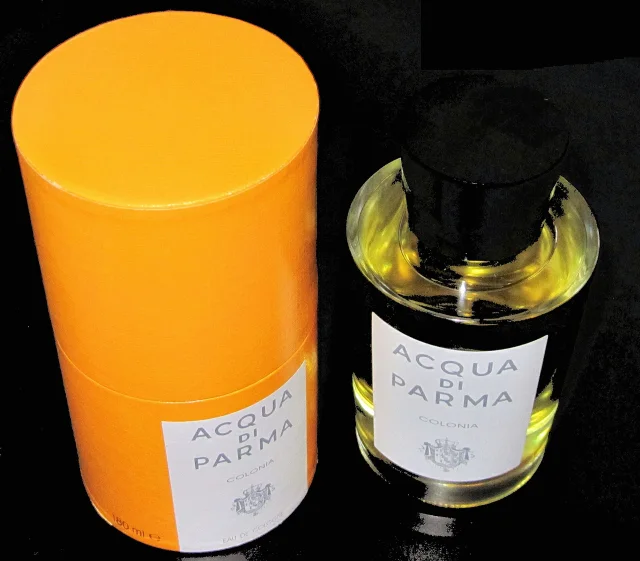 Freud · Wikimedia Commons · CC BY-SA 3.0
Acqua di Parma
Acqua di Parma identifies Colonia as Eau de Cologne and publishes its family and olfactory notes on the product's official page. The brand is incorporated into the catalog through that documented reference, useful for understanding how a citrus composition is described. The entry does not summarize the house's entire offer nor establish a judgment on performance, longevity, or quality based on a commercial sheet.
View sheet Gunnar Ries Amphibol · Wikimedia Commons · CC BY-SA 2.5
Aquamarine
The aquamarine is a variety of beryl with a blue to greenish-blue color. GIA relates it mineralogically to the emerald and documents crystals that can reach a large size. For a style consultation, it is interesting to distinguish the name of the material from the specific tone of each specimen. The profile does not guarantee transparency, origin, or the absence of treatments in pieces offered by third parties.
View sheet JJ Harrison (https://jjharrison.com.au/) · Wikimedia Commons · CC BY-SA 3.0
Amethyst
The amethyst is the purple variety of quartz and presents hardness 7 on the Mohs scale according to GIA. Its color allows exploring jewelry combinations without assigning it personal powers or therapeutic effects. This entry separates the mineral name from the aesthetic choice: a photograph can inspire a palette, but it is not enough to confirm the identity, treatments, or quality of a stone.
View sheet AI-generated conceptual illustration
Before Booking a Fragonard Perfumery Workshop
Fragonard presents perfumery-related workshops and lectures on its official website. These should be distinguished from a self-guided visit to a museum or factory: location, language, format and conditions depend on the activity selected. This documentary entry does not attest to editorial participation or reproduce prices. Check the specific offering and its conditions before booking.
View sheet AI-generated conceptual illustration
Oxford Shirt and Straight-Leg Trousers
Editorial suggestion: pair an Oxford shirt you already own with straight-leg trousers and footwear suited to your day. Repeat one of the colors in your bag or another small item, and observe the outfit in motion. The linked source documents Oxford construction; the pairing is a Gentle Chic idea, with no commercial garments tested and no obligation to buy.
View sheet AI-generated conceptual illustration
Rib
Rib is part of the knit structures explained by CottonWork and can be recognized by its alternating columns. In a garment sheet, it is advisable to note it as a construction and keep the composition separate. For a style consultation, observe its relief alongside other surfaces of the ensemble; this visual reading does not constitute a measurement of recovery, elasticity, or comfort of a specific item.
View sheet AI-generated conceptual illustration
Rib Knit in Similar Shades
Editorial suggestion: pair a rib-knit garment with trousers or a skirt in a similar shade, and add an accessory in a different color if you like. Compare both options in the same light before choosing. The linked documentation explains knit construction; this visual composition is by Gentle Chic and makes no claims about the benefits of any particular garment.
View sheet AI-generated conceptual illustration
CASIO F-91W-1
CASIO documents the F-91W-1 as a digital watch with a resin case and strap. Its Spanish page lists dimensions of 38.2 × 35.2 × 8.5 mm, a weight of 21 g, a stopwatch, alarm and light. The water-resistance claim is retained with the scope stated by the brand, without assigning it a specific usage depth. This listing describes stated features and is not a test of accuracy, comfort or battery life.
View sheet AI-generated conceptual illustration
CeraVe Hydrating Cleanser
In Spain, CeraVe presents its Hydrating Cleanser as a facial and body cleanser intended by the brand for normal to dry skin. The page includes its ingredient list and directions for use. This listing identifies the product and source so you can check the specific version of the packaging; it does not confirm individual tolerance or present efficacy claims as our own results. Always check the instructions and ingredients of the product you have.
View sheet Eric Pouhier · Wikimedia Commons · CC BY-SA 2.5
CHANEL
The COCO MADEMOISELLE page allows direct consultation of how CHANEL identifies one of its fragrances, its concentration, and its main notes. We include it as a documentary gateway to the brand, without converting its commercial language into an independent evaluation. To compare references, it is advisable to maintain the full name of each version and consult its current sheet, before transferring characteristics between products.
View sheet Didier Descouens · Wikimedia Commons · CC BY-SA 4.0
Citrine
The citrine is a transparent variety of quartz that GIA describes between pale yellow and brownish orange. It shares the mineral family with amethyst, although its appearance is different. This entry allows recognizing the vocabulary before choosing a color combination. A stone is not identified solely by its tone, and its treatment or value is not deduced from a commercial image.
View sheet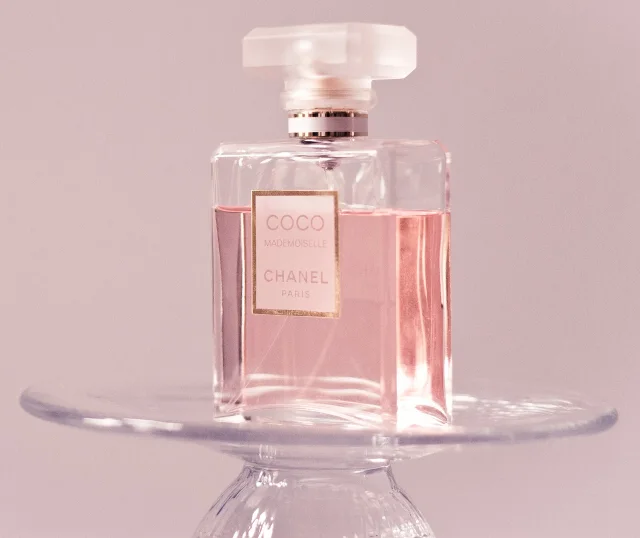 Brownchl · Wikimedia Commons · CC BY 3.0
COCO MADEMOISELLE Eau de Parfum
CHANEL's official sheet places this version in an amber and woody register, with orange, a jasmine and rose accord, patchouli, and vetiver. It is a useful reference for learning to compare brand vocabulary and personal preferences. Here, the manufacturer's description is collected: not a skin test nor an assessment of longevity, intensity, or quality.
View sheet AI-generated conceptual illustration
Colonia Eau de Cologne
Acqua di Parma describes for Colonia Eau de Cologne a top note of lemon, sweet orange, and bergamot, a heart that includes lavender and rosemary, and a base of vetiver, sandalwood, and patchouli. The brand classifies it as citrus. This summary preserves olfactory information attributed to the manufacturer and omits variable prices. It does not equate to having tested the perfume nor does it allow deducing its longevity on the skin.
View sheet AI-generated conceptual illustration
How to Choose an EducaThyssen Activity by Audience and Format
EducaThyssen is the educational platform of the Museo Nacional Thyssen-Bornemisza. Its programme and resources let you look for activities by audience, format and personal interests. This entry refers to the official offering and does not present any specific activity as permanently available. Check the conditions, dates and any registration requirements on the page for the proposal you choose.
View sheet AI-generated conceptual illustration
Organic Cosmetics: Label Context
In the United States, the FDA distinguishes its authority over cosmetics from that of the USDA organic program and notes that an ingredient’s origin alone does not determine its safety. This entry helps distinguish origin, certification, and product properties. It does not automatically apply that framework to other markets or attribute certifications to brands; each claim requires identifying the relevant standard and documentation.
View sheet