Materials · Catalogue
Documented profiles of materials. Check features, provenance and sources to make informed comparisons.
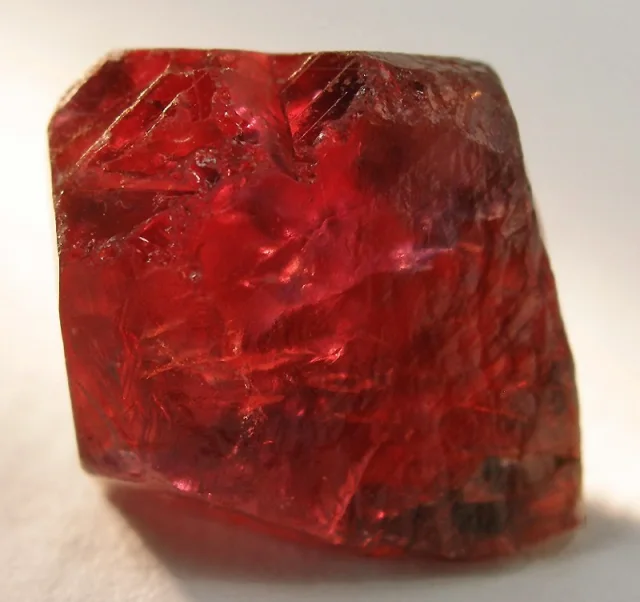 Rob Lavinsky, iRocks.com – CC-BY-SA-3.0
Ruby
The ruby belongs to corundum and owes its red color to chromium, according to GIA. It shares the mineral species with sapphire, although their names distinguish varieties. Knowing that relationship helps to organize the catalog by materials and colors without turning the name into a guarantee of quality. No value estimates are offered, nor is a specific mine attributed to unexamined specimens.
View sheet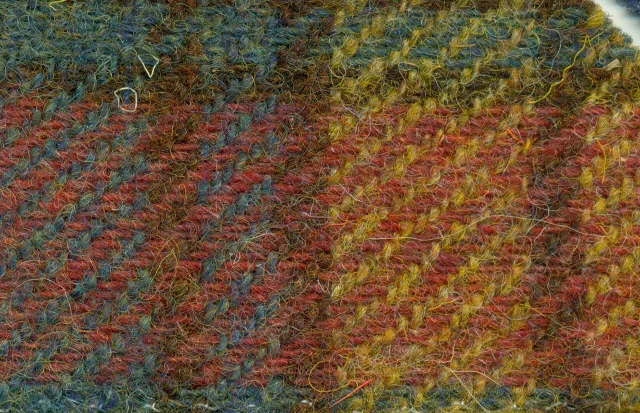 Giftzwerg 88 · Wikimedia Commons · CC BY-SA 4.0
Twill
Twill is recognized by its diagonal line construction, described by CottonWork in its fabric guide. It can serve as a first visual criterion when organizing garments that look similar from a distance. The name does not replace the label: when comparing a shirt or a pair of trousers, it is advisable to record the composition and product reference, without automatically assigning the same touch to all twills.
View sheet AI-generated conceptual illustration
Satin: weave
CottonWorks places satin among the basic weaves and explains its construction through floats. Its name describes a way of interlacing threads and does not automatically equate to silk. When consulting a garment, it is interesting to read the composition separately and observe the actual finish. This sheet helps to organize textile concepts without deducing resistance, quality, or washing instructions from a shiny appearance.
View sheet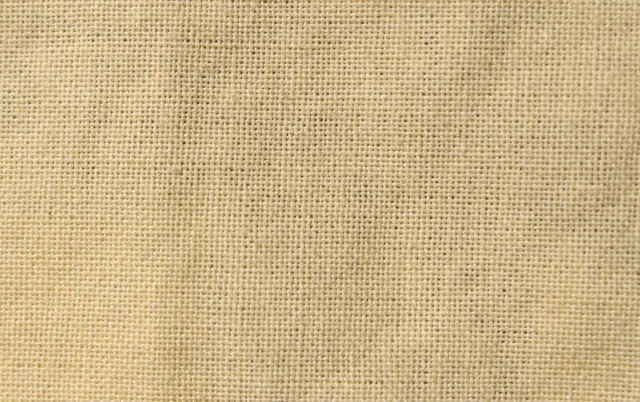 Autor no identificado · Wikimedia Commons · CC BY-SA 2.5
Taffeta: basic weave
The taffeta weave is one of the basic constructions that CottonWorks explains when presenting woven fabrics. Here, the term identifies a structure, without limiting it to a single fiber or confusing it with a finished garment. Learning that distinction helps to separate composition, weave, and finish when reading labels. The sheet offers reference vocabulary, without attributing performance to a particular product.
View sheet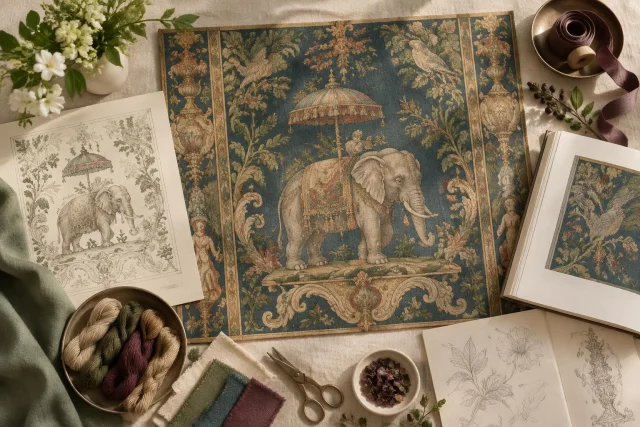 AI-generated conceptual illustration
The Elephant, from The Berain Grotesques Series
A documentary reference to a textile work cataloged by the Art Institute of Chicago. An invitation to observe motifs, color, and composition through textile heritage.
View sheet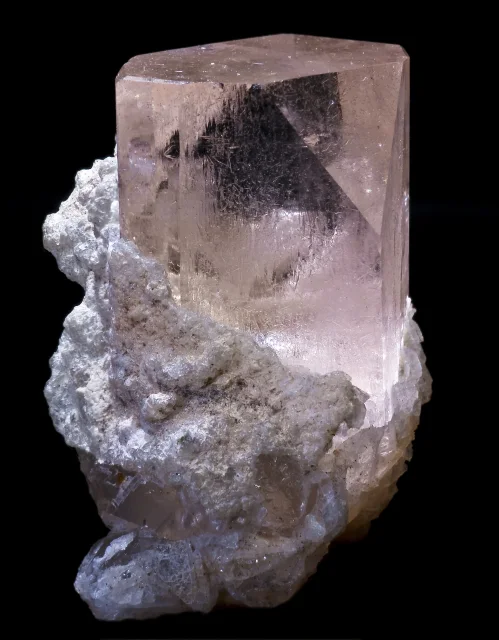 Didier Descouens · Wikimedia Commons · CC BY 3.0
Topaz
Topaz can present a wide range of colors and can also be colorless. GIA explains that part of the colorless material is treated to obtain blue. Therefore, it is advisable to separate observed color and treatment documentation when consulting a piece. This sheet introduces the material for the catalog without asserting that a specific specimen is natural in color, lacks treatments, or comes from a specific place.
View sheet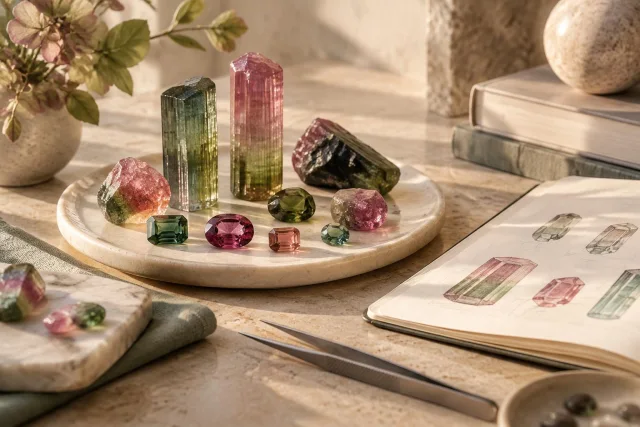 AI-generated conceptual illustration
Tourmaline
Tourmaline offers an extensive chromatic range; GIA also documents specimens with more than one color. Its sheet distinguishes mineral compositions within this set, so a general label may need more detail. For the jewelry reader, the first step is to preserve the name and the seller's information. This entry does not identify varieties by photograph nor accredits provenance.
View sheet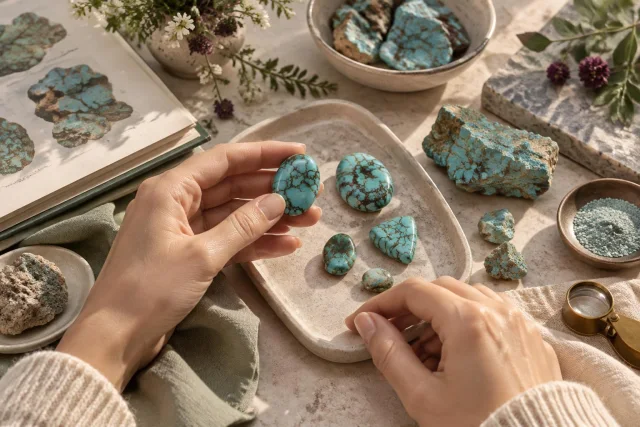 AI-generated conceptual illustration
Turquoise
GIA describes turquoise as a hydrated phosphate of copper and aluminum, with colors from blue to green and a porous structure. Visible veins may be part of the rock matrix. This information helps to recognize common terms in jewelry sheets. Appearance alone does not confirm identity or treatment; here, no cabochon, bead, or commercial piece is authenticated.
View sheet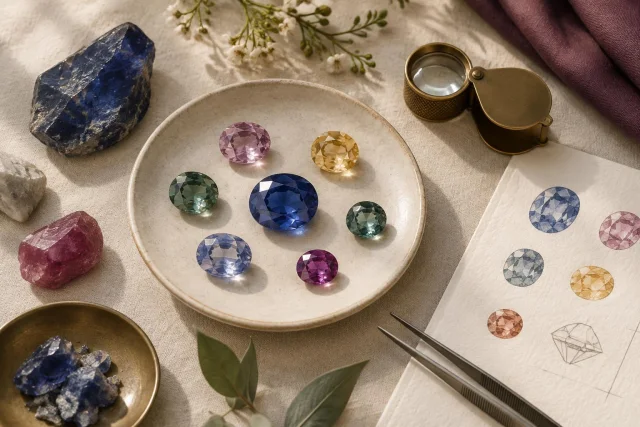 AI-generated conceptual illustration
Sapphire
The sapphire is a variety of corundum and is not limited to blue: GIA also documents other colors, while red corundum is called ruby. This profile invites comparing first the described color and the identity of the material. The denomination by itself does not inform of all treatments nor does it certify provenance, and no commercial jewelry is evaluated here.
View sheet