



What the source contributes
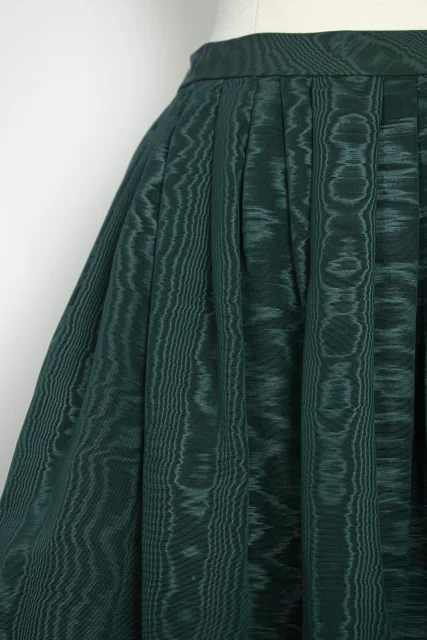
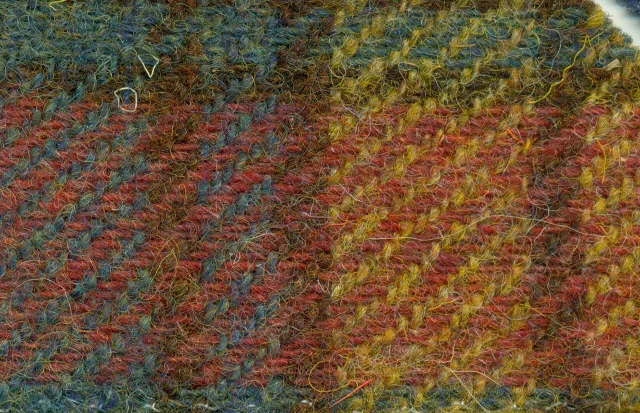
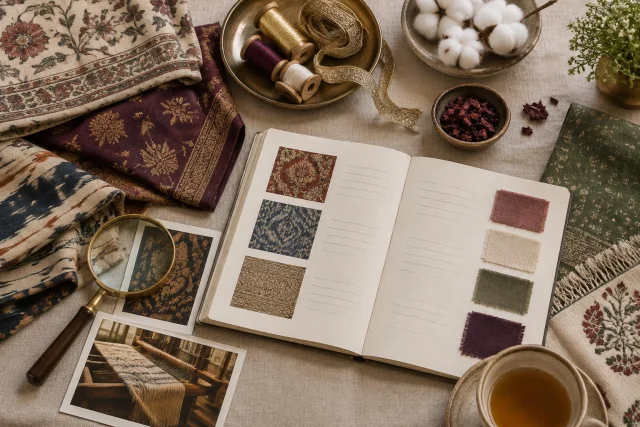
The Victoria and Albert Museum (V&A) holds an extensive collection of textiles and fashion. Its digital documentation allows you to consult fabrics, prints, embroideries, laces, tapestries, and carpets from different eras and places. This reference is useful because it shows how textile objects are classified: not all terms are synonyms. For example, the decorative technique (such as embroidery), the structure (such as knit or flat fabric), and the material (cotton, wool, silk) are distinct categories. Understanding this distinction prevents assuming that a specific technique automatically defines the quality, price, or durability of a garment.
How to read it in your context
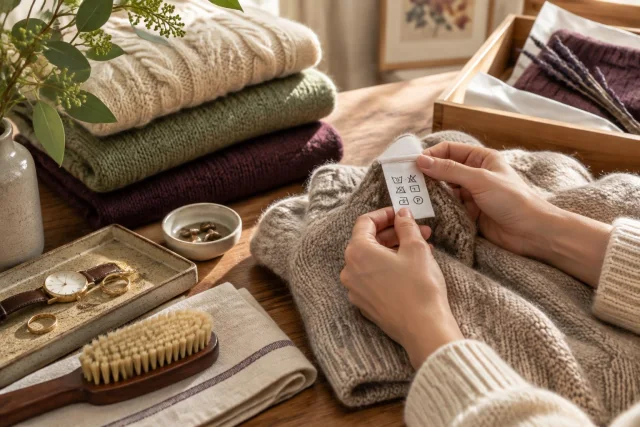
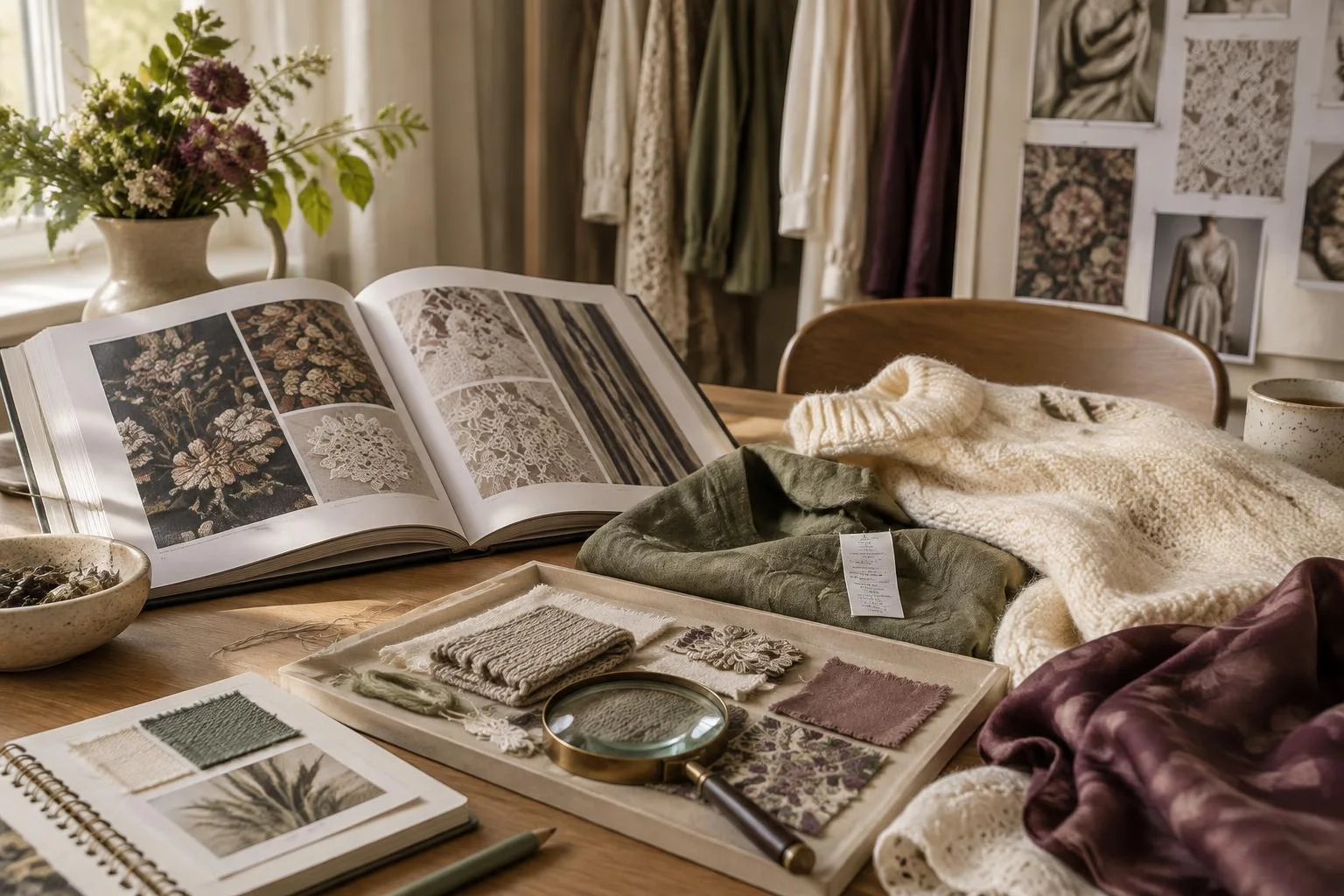
Apply this classification logic to your own wardrobe. Choose a garment you use frequently and observe its label or composition. First, identify the main material. Then, look for the structure: is it a woven fabric, a jersey knit, or a non-woven fabric? Finally, note if there are added decorative techniques, such as prints, embroideries, or appliqués. This exercise does not require advanced technical knowledge, only attention. By separating these three elements, you obtain a more precise description of what you have, beyond the brand or visual style.
Questions to choose with discernment
When analyzing a garment, ask yourself these questions to make informed decisions:
- What material predominates and how does it feel to the touch? The sensation is subjective and personal; there is no single correct answer.
- Does the structure allow the movement I need? A rigid fabric may not be suitable for dynamic activities, regardless of its material.
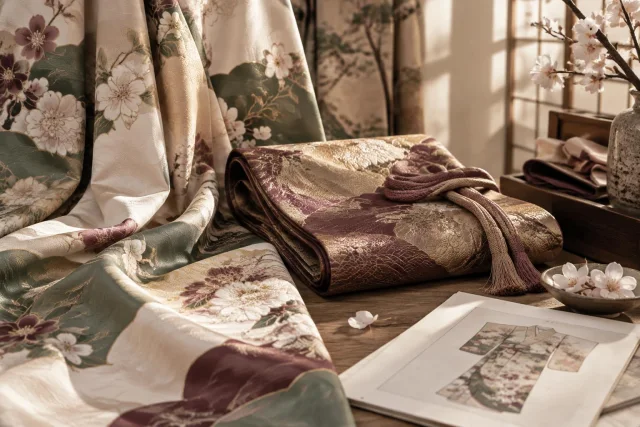
- Are the decorative techniques functional or purely aesthetic? An embroidery can add texture, but it does not necessarily improve durability.
These questions help you evaluate whether a garment fits your real needs, not just trends or assumptions about quality.
Limits of this guide
This proposal is a personal observation exercise, not a professional evaluation. The digital consultation of museum collections, such as the V&A's, is not equivalent to having touched or tried on the garment. Images and descriptions offer information, but they do not replace the tactile experience or body fit. Do not attribute to this guide the ability to diagnose the durability or market value of a garment. Use this observation as a tool to better understand what you already have, adapting the criteria to your context and preferences.