



What the source contributes
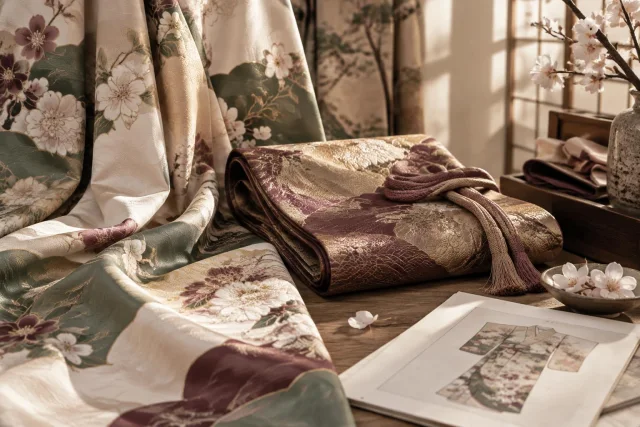
The V&A holds a collection of textiles and fashion that allows you to consult fabrics, prints, embroideries, laces, tapestries, and carpets. Its documentation presents techniques and objects from different eras and places. It is a starting point for observing how a surface is constructed or decorated, not a guarantee that a consulted piece represents all garments of that type.
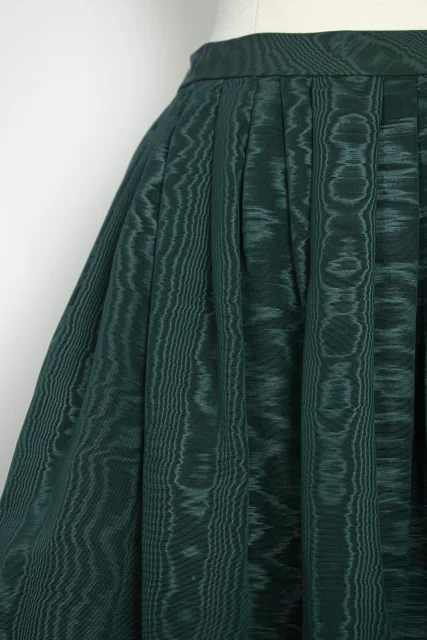
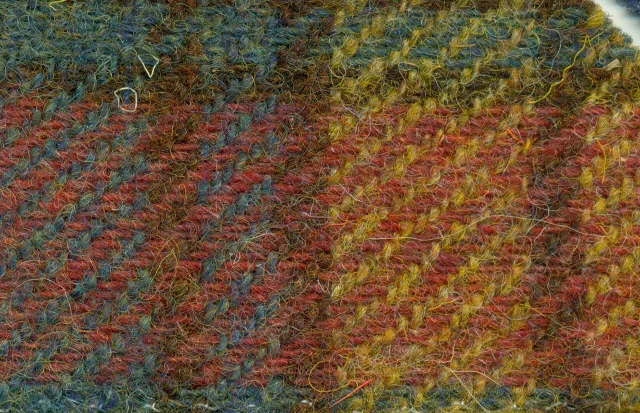
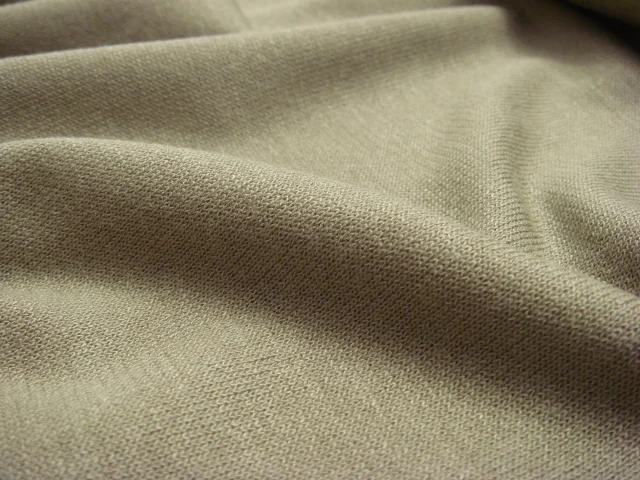
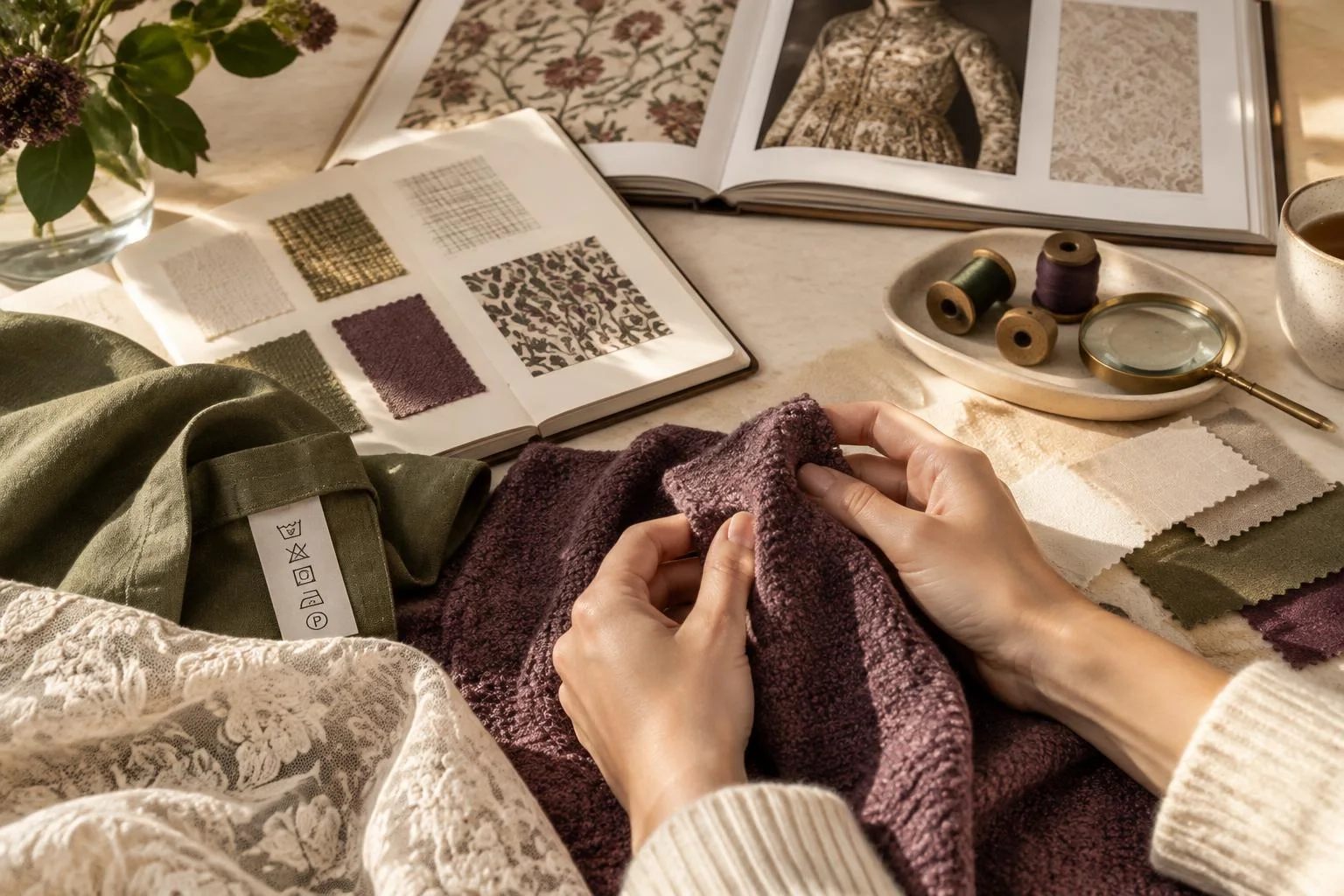
It is advisable to separate three ideas. The material indicates what a piece is made of, when that information is available. The structure describes how its threads or textile elements are organized. The pattern is the visible motif; it can arise from the structure itself or be added through a decorative technique. They are not synonyms, and a striking surface is not enough to identify them with certainty.
How to read it in your context
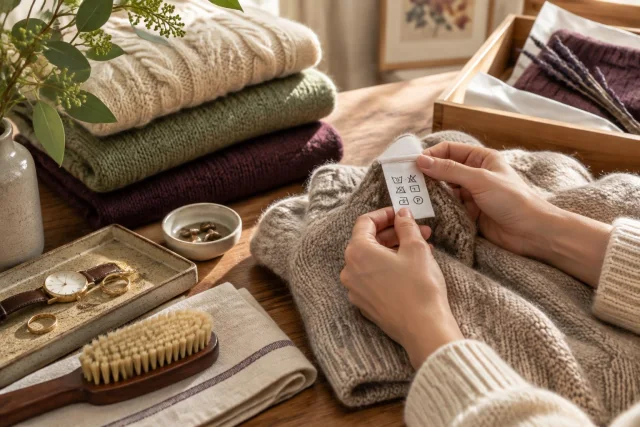
Try it with two of your own garments that you can observe, without turning the exercise into a quality test. First, look at the surface: do you see a motif, relief, transparency, or ornament? Then, look for the composition and care information listed on their labels. Note separately what you can observe and what the label declares. If something is not indicated or you cannot distinguish it, leave it as an open question.
This method serves to describe what is in front of you, not to conclude that a technique, material, or finish is universally better. It also does not allow you to predict price or durability on its own.
Questions to choose with discernment
Before choosing, you can ask yourself: which aspect attracts me: the color, the pattern, the relief, or the transparency? Does the item's sheet explain the material or the technique? What information do I need to decide if this garment fits my preferences for use and care? If the answer does not appear on the label or documentation, consider asking the seller, without assuming that an answer will be available.
Limits of this guide
A digital consultation allows you to review available documentation, but it does not equate to touching, trying on, or wearing a garment. Images may show part of its surface; they do not by themselves establish how it feels or how it will behave. The proposed exercise is a way to look and compare with greater precision, not a professional evaluation or a universal measure of quality.