Fragrance, materials and style catalogue
Documented profiles of fragrances, materials, ingredients, brands and outfits. Check features, provenance and sources to make informed comparisons.
 Rajgen1299 · Wikimedia Commons · CC BY 4.0
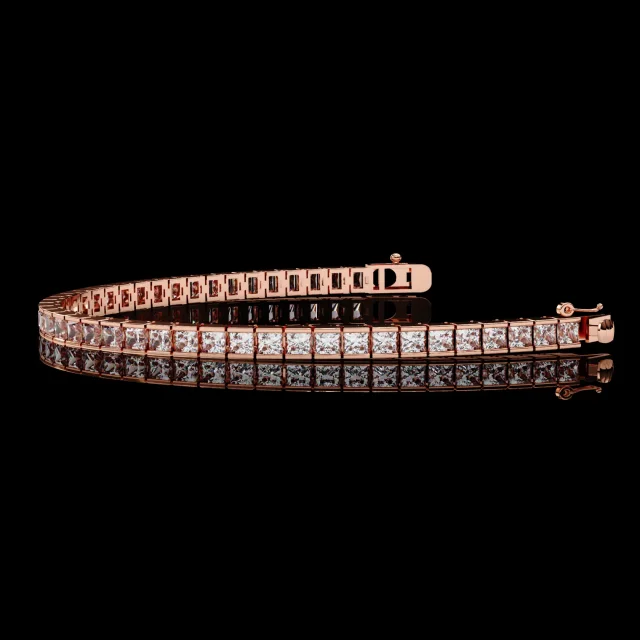
Diamond
The diamond is composed of carbon and occupies grade 10 on the Mohs scale, according to GIA. Its profile organizes observation through color, clarity, cut, and weight. To read a piece of jewelry, it is useful to separate those data points from the taste for a specific shape. This entry offers documentary vocabulary, without appraising pieces, certifying authenticity, or deducing provenance from a photograph.
View sheet AI-generated conceptual illustration
Drawing at the National Gallery: Prepare a Sketchbook and Respect the Galleries
The National Gallery publishes guidance for drawing in its galleries. Consulting it before bringing a sketchbook helps distinguish a self-guided observation visit from an organised activity and prepare materials that comply with the museum’s rules. This documentary entry does not include a booking or confirm access to a particular gallery. It is advisable to check the official guidance and any changes before travelling.
View sheet Frédéric BISSON from Rouen, France · Wikimedia Commons · CC BY 2.0
Dior
The official sheet for J’adore Eau de Parfum allows exploring the way Dior presents a floral composition and differentiates materials within its narrative. It is the concrete source used for this brand entry. The catalog retains the product reference so that comparisons are traceable, without transferring its notes to the entire collection or presenting commercial claims as results of an independent test.
View sheet AI-generated conceptual illustration
Diptyque
The official documentation for Philosykos shows how Diptyque accompanies the identification of the perfume with an inspiration story and a selection of notes. The brand entry takes that page as a concrete reference to guide the consultation. We differentiate the story told by the house from the impressions of those who test the product; we have not conducted our own evaluation nor generalized its characteristics to other fragrances.
View sheet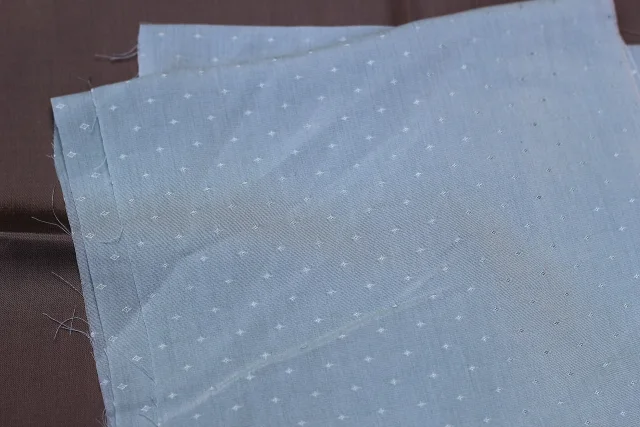 Enby · Wikimedia Commons · CC BY-SA 4.0
Dobby
CottonWork describes dobby as a way of weaving patterns incorporated into the structure, including geometric motifs. The term provides information distinct from a print or a trade name. In the catalog, it is retained as a technique to facilitate the reading of a garment. The entry does not fix a composition, a weight, or an exclusive use, and it does not evaluate specific products.
View sheet AI-generated conceptual illustration
The V&A Photography Centre as a starting point for looking at photographs
The Photography Centre at the Victoria and Albert Museum brings together spaces dedicated to photography and offers a starting point for checking its programming. This listing documents the institution’s offering without claiming that the editorial team visited. Before going, check the official source to see which galleries and activities are available, the access conditions, and practical travel requirements.
View sheet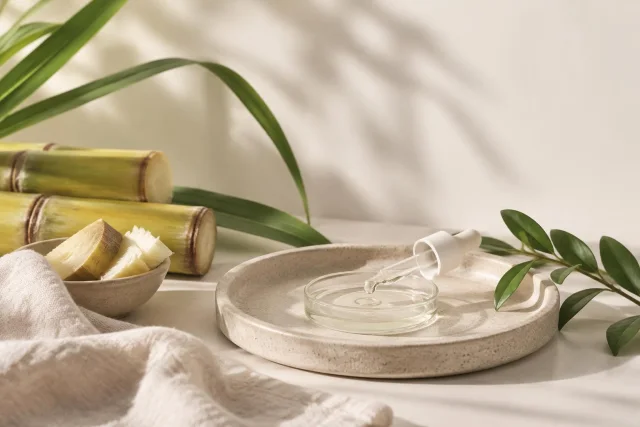 AI-generated conceptual illustration
Squalane
The Ordinary identifies the squalane in its reference product as plant-derived and sourced from sugarcane. That information applies to the linked formula and is not generalized to all products using the name. The product information helps distinguish identity from stated origin, without evaluating efficacy firsthand or inferring the suitability of a routine from a single ingredient.
View sheet AI-generated conceptual illustration
Emerald
The emerald is a green to blue-green variety of beryl. GIA reminds that the limit between emerald and green beryl can give rise to classification differences. This precision helps to read commercial descriptions without treating any green stone as equivalent. The profile allows exploring a jewelry material; the identification, treatments, and origin of a particular piece require their own documentation.
View sheet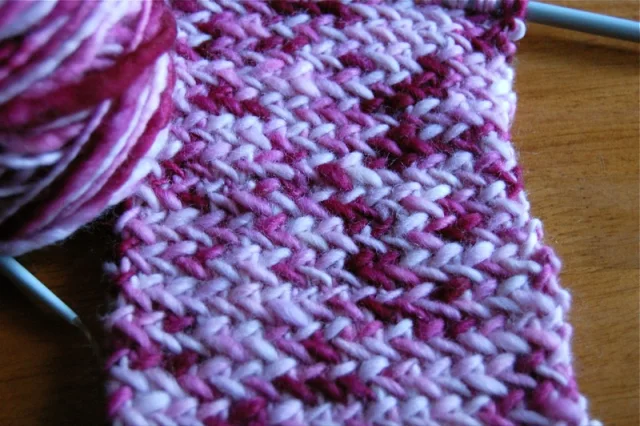 kpwerker · Wikimedia Commons · CC BY-SA 2.0
Herringbone
The V-shaped pattern of herringbone comes from a variation of twill, according to the CottonWork guide. It is a construction criterion that can be noted separately from color and fiber. To explore combinations, observe how the pattern appears alongside smooth surfaces; this visual proposal is editorial and does not imply having tested a garment or knowing its composition.
View sheet AI-generated conceptual illustration
Herringbone Among Smooth Textures
Editorial suggestion: bring together a herringbone-patterned garment, a plain one, and an accessory that repeats one of its shades. The aim is to see how much prominence you want to give the pattern, without adding new pieces if you already have alternatives in your wardrobe. CottonWork supports the explanation of herringbone; it does not endorse or prescribe this pairing, which is a Gentle Chic suggestion.
View sheet AI-generated conceptual illustration
Fragrance in cosmetics
The FDA explains that fragrances appear in different cosmetic categories and that some products called unscented may include them to mask odors from other components. This entry encourages readers to distinguish a sensory description from formulation information. It reflects the context of the U.S. source and does not evaluate a particular brand. No conclusions are drawn about individual tolerance or the absence of ingredients based on perceived scent.
View sheet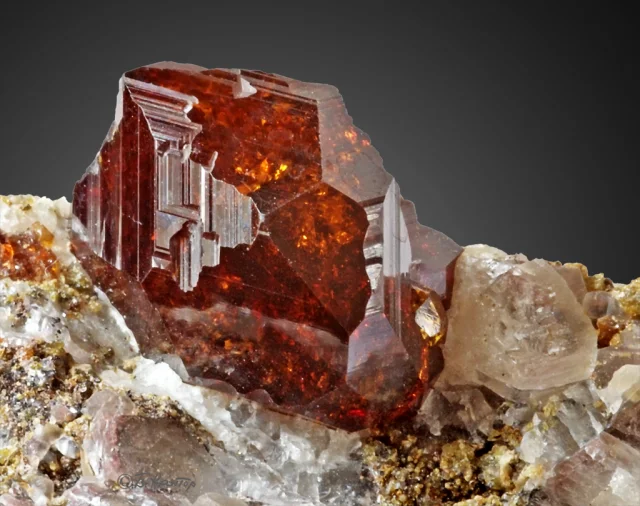 Moha112100 · Wikimedia Commons · CC BY-SA 3.0
Garnet
Garnet refers to a group of related minerals, not a single red gemstone. GIA documents colors that include greens, oranges, pinks, and purplish reds. The range within the group makes it useful to note the variety when that information is available. This offers a starting point for reading jewelry descriptions; identical properties or a shared valuation are not attributed to all garnets.
View sheet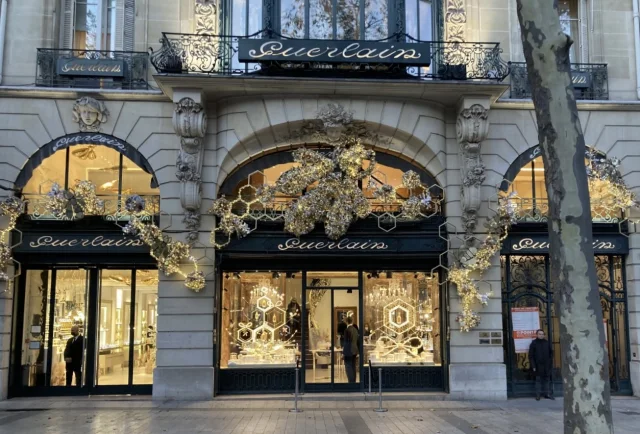 Thomon · Wikimedia Commons · CC BY-SA 4.0
Guerlain
Guerlain details in the Shalimar Eau de Parfum sheet the notes that form part of its olfactory presentation and explains their relationship with the house's signature. This entry offers documented access to that product for those researching the brand. The editorial selection does not imply a quality classification, a commercial relationship, or a usage experience with all its references.
View sheet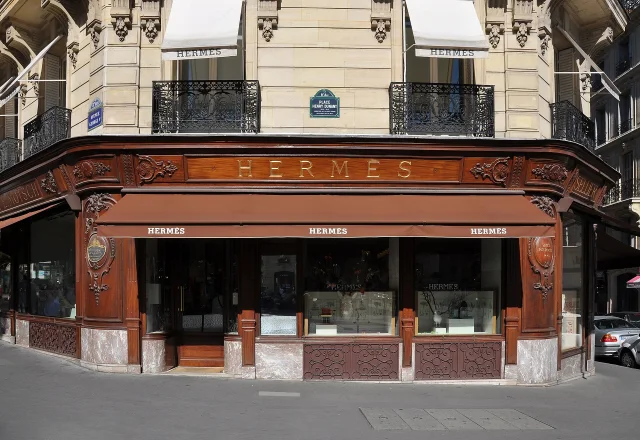 Moonik · Wikimedia Commons · CC BY-SA 3.0
Hermès
Hermès publishes perfume sheets that identify the concentration and the notes the house wishes to highlight; Terre d’Hermès is the documentary reference for this entry. On Gentle Chic, the brand can be explored through specific products, with their sources linked. This organization helps to compare verifiable information, without attributing the same composition or experience to its entire perfumery catalog.
View sheet AI-generated conceptual illustration
Hypoallergenic: understanding the claim
The FDA explains that the term hypoallergenic has no specific federal definition in the United States. This entry provides that context to help readers understand a marketing claim without interpreting it as a guarantee that reactions will not occur. Its scope is limited to the U.S. source and does not describe all jurisdictions. To assess a specific product, it is useful to consult its documentation and ingredient list.
View sheet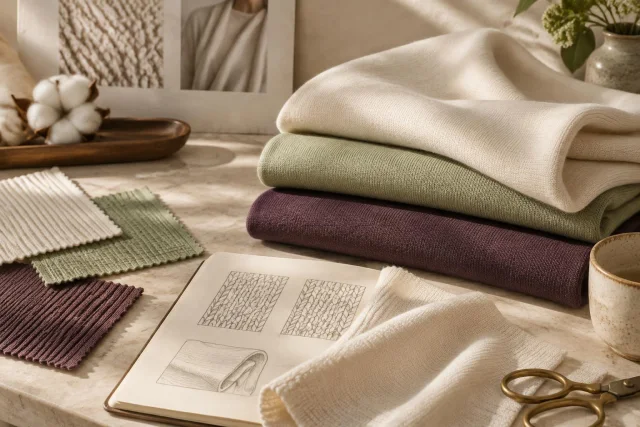 AI-generated conceptual illustration
Interlock
Interlock is a double-knit structure documented by CottonWork. Knowing that category helps to interpret textile names that sometimes appear without explanation in a commercial sheet. General information is not enough to attribute a weight or a composition to the garment you are looking at. Retain its particular data and compare equivalent samples before drawing conclusions about drape, touch, or behavior.
View sheet AI-generated conceptual illustration
Interlock with Simple Lines
Editorial suggestion: try an interlock garment with another piece featuring simple lines, and let the fit determine which layer to add. View the outfit from the front and side, and keep the option that lets you go about your activities. The technical reference documents the knit type; the styling exercise is an original suggestion, with no specific items tested.
View sheet AI-generated conceptual illustration
J’adore Eau de Parfum
Dior presents J’adore Eau de Parfum as a floral ensemble that brings together ylang-ylang, Damask rose, and grandiflorum and sambac jasmine. The precision of the name matters because the collection includes other compositions. This entry serves to consult the notes declared by the brand and compare them with other documented sheets, without attributing usage results, awards, sales position, or a duration that we have not verified.
View sheet