What the source contributes
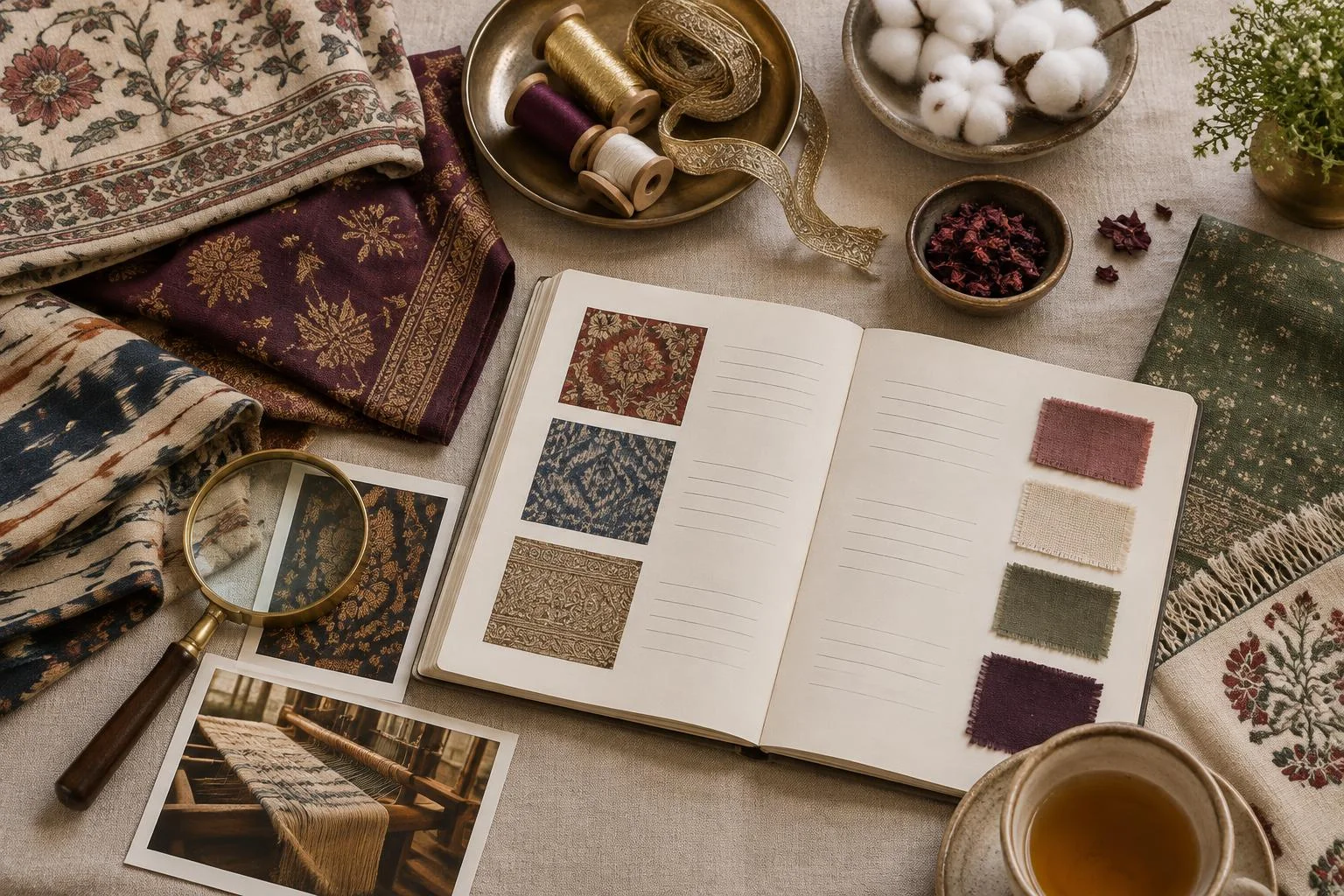
The V&A presents Indian textiles by attending to their materials, techniques, exchanges, and uses. Its description includes embroideries, weavings, and different types of thread; among them, metals worked into ribbons or fine threads. This variety offers a more precise way of looking than the idea of a unique style: the characteristics of a piece depend on the specific information available about it.
The source can help recognize details, but it does not turn a particular motif into a universal emblem nor does it allow attributing a history to any object that resembles it. Visual inspiration and historical identification are different things.
How to read it in your context
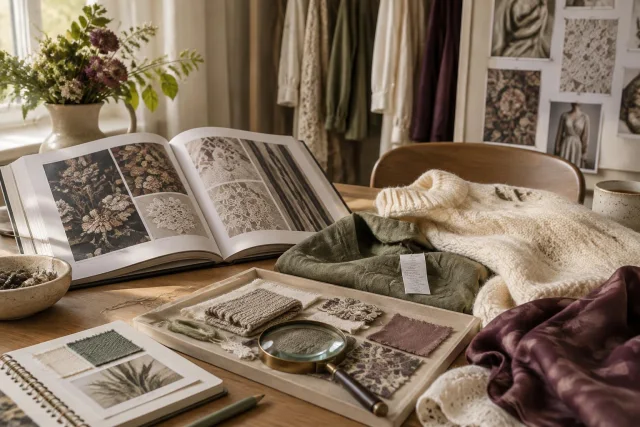
When consulting a museum record, try to register three data points as they appear: the name of the object, the indicated place, and the declared technique. You can add a separate column for your impressions—for example, which colors or textures attract you—making it clear that these are personal preferences, not documentary information.
This exercise allows you to appreciate a surface without assigning it an origin or meaning that the record does not support. If any of those data points do not appear, note it as unspecified rather than completing it by intuition. The record is the starting point; it does not necessarily tell everything that could be known about a piece.
Questions to choose with discernment
Before saving a reference or choosing a garment, ask yourself: what material or technique does the description mention? Does the place correspond to this specific object, or am I associating it by its appearance? Am I interested in a visible quality, such as contrast or texture, or am I assuming it represents a complete tradition?
If you are looking for a reference for your style, you can also ask yourself what you like about it in your own terms: color, visual rhythm, embroidery, or finish. Naming that preference helps separate your aesthetic response from the claims made by the museum.
Limits of this guide
This guide summarizes the documentary approach described by the V&A; it does not identify individual textiles nor offer an exhaustive history of Indian textile traditions. To speak of a specific piece, it is advisable to adhere to its record and preserve its limits: a visual resemblance, by itself, does not confirm provenance, technique, or meaning.